Your roof is your home’s first line of defense against the elements. In New Jersey, roofs face harsh winters, hot summers, and occasional storms that can accelerate wear and tear. While it may be tempting to delay repairs until fall, waiting can allow minor issues to escalate into major problems. Here’s a guide to five roof problems that worsen if you put off maintenance, helping you understand why timely action is crucial.
1. Missing or Damaged Shingles
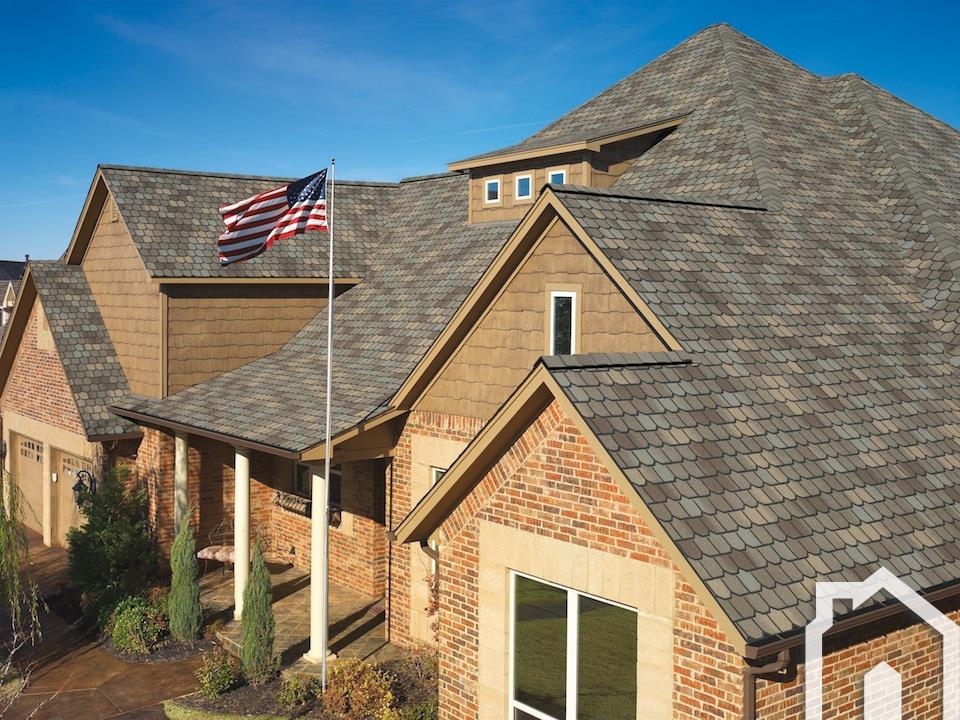
Shingles are designed to protect your roof from rain, snow, and wind. If a shingle is cracked, curling, or missing, it exposes the underlayment and decking to moisture. Even small gaps can lead to leaks, water damage, and rot.
Delaying repairs until fall allows rainstorms or early snow to penetrate your roof, causing damage that could require a full replacement instead of a simple patch. Early inspection and replacement of damaged shingles prevent leaks and extend the life of your roof.
2. Clogged or Damaged Gutters
Gutters play a vital role in directing water away from your roof and foundation. Leaves, debris, and ice dams can block water flow, causing it to pool on your roof. Over time, this standing water can seep under shingles and cause rot or leaks.
In New Jersey, fall and winter storms make clogged gutters especially hazardous. Waiting until fall to clean or repair gutters increases the risk of ice dams and water infiltration, which can damage not only your roof but also siding and landscaping.
3. Roof Leaks
Even minor leaks can become serious if left unaddressed. Small cracks or punctures allow water to enter the attic, leading to mold, mildew, and insulation damage. Over time, water intrusion can weaken the roof structure, increasing the cost and complexity of repairs.
Addressing leaks in the spring or early summer ensures that your home stays dry during heavy summer rainstorms. Waiting until fall, when weather is more unpredictable, risks more extensive damage that could have been prevented with timely maintenance.
4. Damaged Flashing
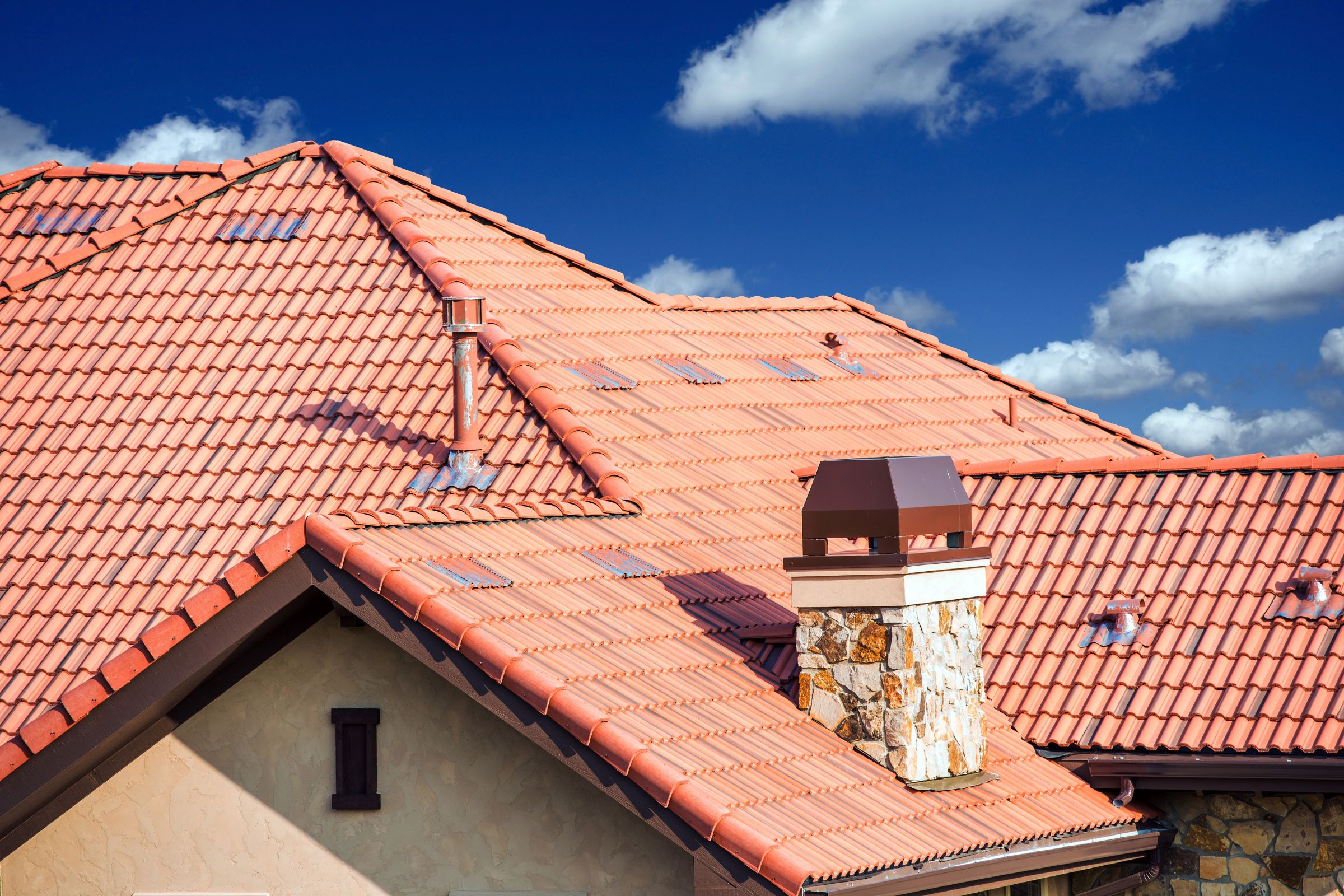
Flashing seals joints around chimneys, vents, skylights, and valleys. When flashing is cracked, rusted, or improperly sealed, water can infiltrate these vulnerable points. Over time, this can cause interior water damage, mold growth, and deterioration of the roof decking.
Flashing issues worsen if left through summer thunderstorms and early fall rains. NJ homeowners who address flashing problems early prevent small leaks from turning into major repairs. Proper inspection and replacement now protect your home through seasonal storms.
5. Mold and Algae Growth
Mold, algae, and mildew can form on damp, shaded areas of your roof. While these issues might seem cosmetic at first, they can gradually deteriorate shingles and compromise your roof’s integrity. Moisture encourages fungal growth that eats away at roofing materials over time.
In New Jersey, summer humidity combined with lingering moisture from spring rains accelerates this process. Waiting until fall allows these growths to spread further, potentially requiring extensive cleaning or even roof replacement. Early attention prevents long-term structural and aesthetic damage.
Why Timing Matters
Roof problems compound quickly when ignored. Summer storms, heat, and humidity can turn minor issues into costly repairs. Addressing problems now, rather than waiting for fall, gives you more predictable weather for repairs, better contractor availability, and a safer home environment.
Many roofing contractors are busiest in late summer and early fall, meaning delays can lead to longer wait times and higher costs. Spring and early summer repairs allow you to schedule work at a convenient time and ensure your roof is ready for winter weather.
Preventative Measures
Regular inspections are the key to preventing these issues from escalating. Look for damaged shingles, clogged gutters, flashing problems, and signs of mold or algae. Cleaning gutters, trimming overhanging branches, and applying protective coatings can also prolong your roof’s life.
NJ homeowners may also consider professional inspections after severe storms. Early detection and minor repairs often save thousands compared to emergency replacements caused by neglect. Proactive maintenance ensures your home remains safe and energy-efficient throughout the year.
Don’t Wait Until Fall
Delaying roof repairs can lead to bigger problems, higher costs, and more stress. Missing shingles, clogged gutters, leaks, damaged flashing, and mold growth all worsen over time, especially in New Jersey’s variable climate. Addressing these issues now ensures your home stays dry, safe, and structurally sound.
Investing in timely roof maintenance not only protects your home but also preserves its value and curb appeal. Summer is the perfect time to tackle roofing repairs, giving your roof the resilience it needs before the colder, wetter months arrive. Don’t wait—your roof will thank you.