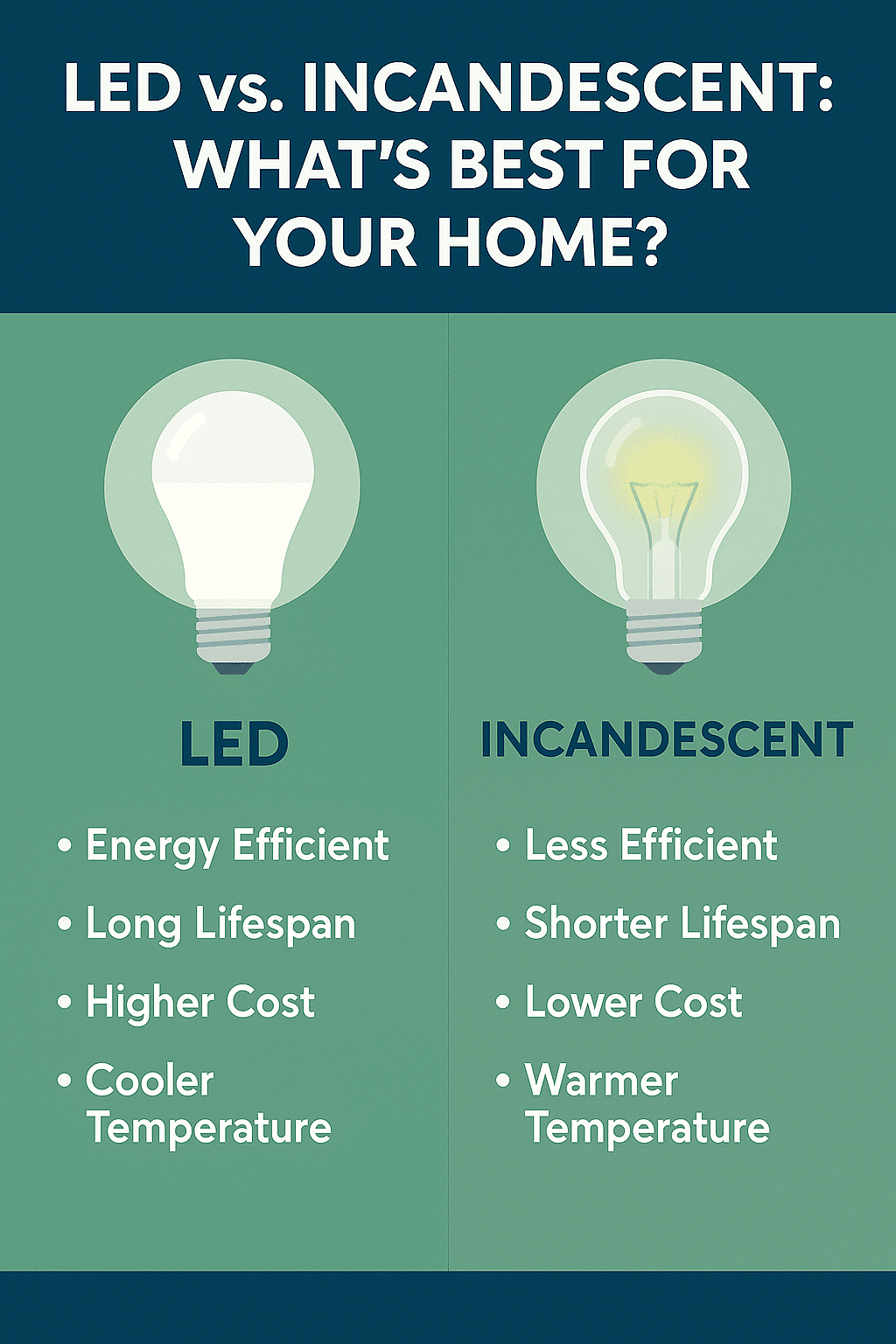
When it comes to lighting your home—inside and out—the type of bulb you choose matters more than you might think. Not only does it affect your electricity bill, but it also impacts brightness, longevity, and environmental footprint.
At Carl’s Fencing, Decking, and Home Improvements, we know that thoughtful upgrades—big and small—make a huge difference. So, let’s break down the key differences between LED and incandescent bulbs to help you make the brightest decision for your home.

🔌 Energy Efficiency: LED Wins by a Landslide
LED bulbs use up to 80–90% less energy than traditional incandescent bulbs.
- LED: Uses about 8–10 watts to produce the same light as a 60-watt incandescent bulb
- Incandescent: Burns more energy as heat, making it less efficient
Bottom Line: LED lights save you money on your utility bill and reduce your carbon footprint.
🕒 Lifespan: One LED = Years of Light
- LED Bulbs: Last 15,000–25,000 hours (that’s 10+ years with average use!)
- Incandescent Bulbs: Typically last only 1,000 hours
Think about it: changing one LED bulb could save you dozens of replacements over the years.
💲Cost: LEDs Cost More Upfront, But Less Over Time
- Initial Cost: Incandescents are cheaper to buy (around $1 per bulb), but…
- Long-Term Savings: LEDs, while $2–5 upfront, save up to $150 in electricity over their lifetime
Tip: Many energy companies and local municipalities offer rebates on LED lighting—ask us how to take advantage!
🌟 Brightness & Options: LEDs Offer More Control
LEDs come in a wide range of:
- Color temperatures (from warm to cool)
- Brightness levels
- Smart features (dimmable, motion sensing, app-controlled)
Meanwhile, incandescent bulbs offer limited options and often emit a yellowish light.
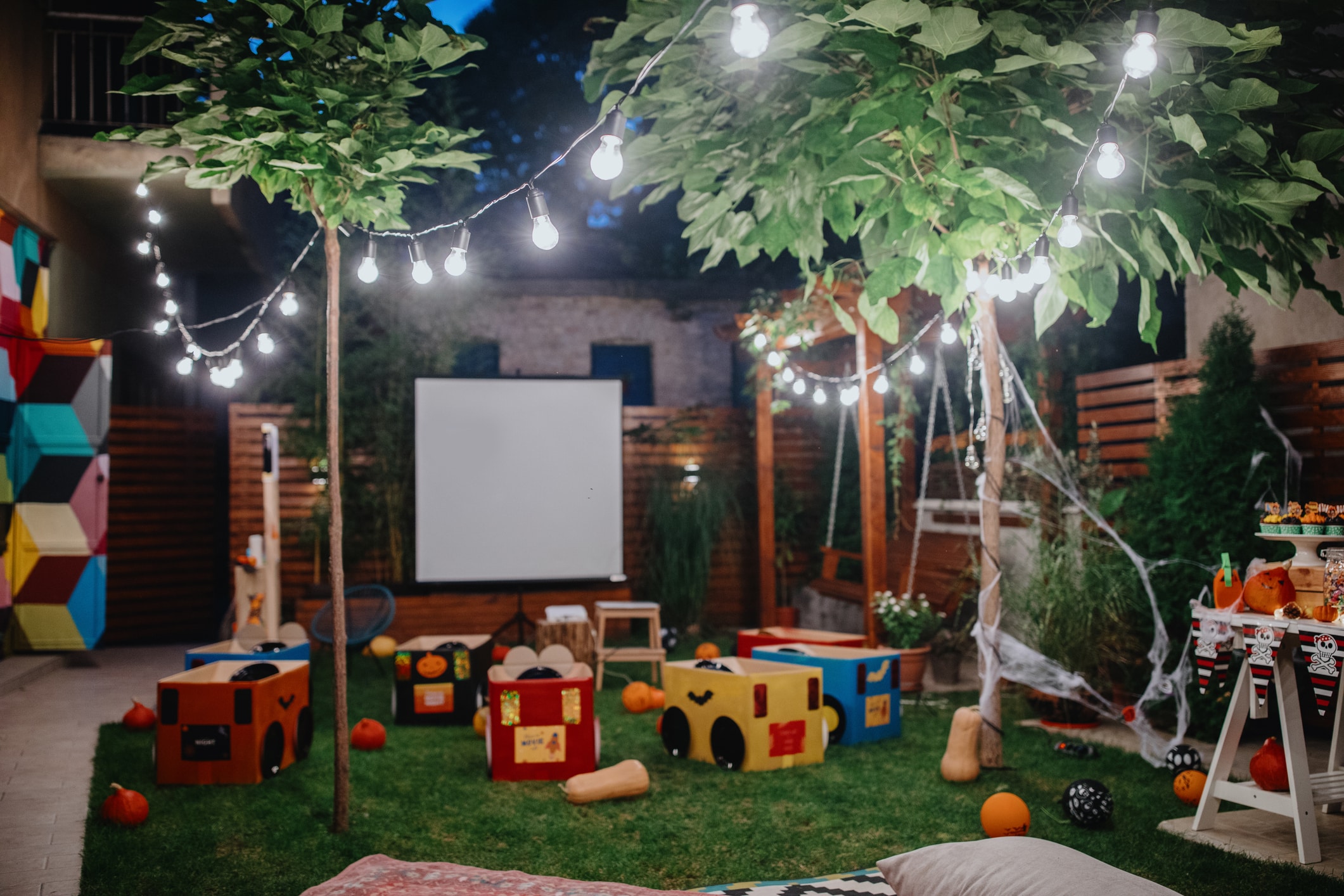
🌿 Outdoor Use: LED is the Clear Choice
For outdoor decks, fencing lights, and landscape illumination, LEDs are weather-resistant, long-lasting, and safe for prolonged use. They don’t get hot and won’t attract bugs like traditional bulbs often do.
Carl’s Pro Tip: Want to upgrade your outdoor space with energy-efficient LED lighting? Our team can help install a lighting layout that’s as safe as it is stunning.
So, What’s Best for Your Home?
✅ For energy savings
✅ For longevity
✅ For brightness & design flexibility
✅ For the environment
LEDs take the crown in nearly every category. While they may cost a bit more upfront, they pay off in performance, convenience, and savings.
Ready to Brighten Up Your Home?
Whether you’re planning a backyard makeover, upgrading your front porch, or simply replacing old bulbs, Carl’s can help you create a lighting plan that’s efficient, attractive, and built to last.
📞 Contact us today to learn more or schedule a home improvement consultation!