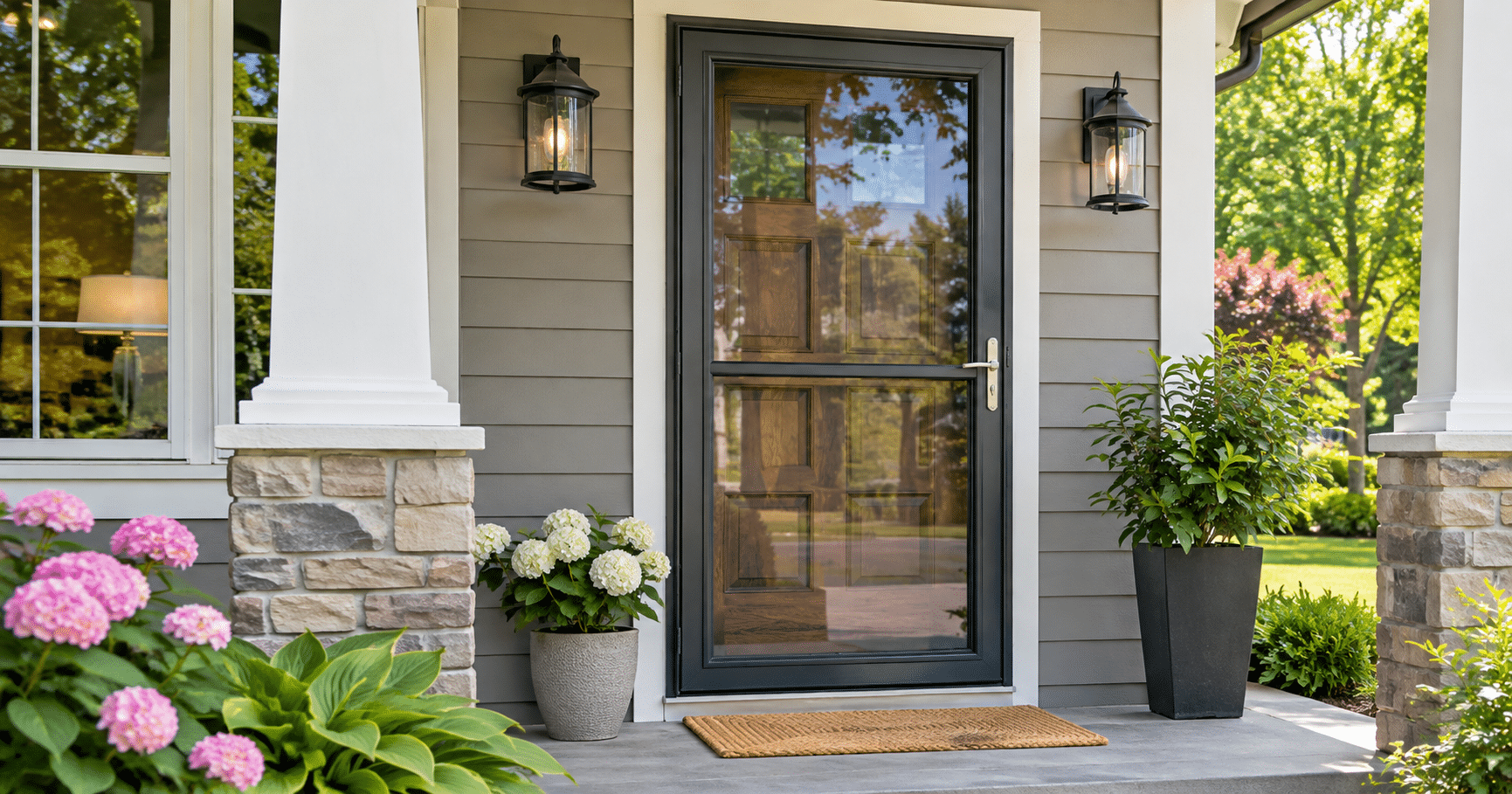
A security door adds a reinforced steel or iron layer specifically engineered to resist forced entry — multi-point locking, heavy-gauge frames, impact-rated glazing — while a standard entry door, even a solid steel one, is built primarily for insulation and weather resistance, not break-in resistance. The distinction matters because “steel door” and “security door” get used interchangeably in sales conversations, but they’re solving different problems.
Why This Distinction Gets Confused So Often
Most homeowners assume a steel entry door is inherently secure because steel sounds strong. In practice, a standard 20-gauge steel door with a single deadbolt can be kicked in or pried open faster than people expect, because the vulnerability usually isn’t the door slab itself — it’s the frame, the strike plate, and the hinges. A security door addresses those specific failure points directly, while a standard door’s steel skin is really there to resist dents, warping, and weather, not a determined intruder.
A home in Trenton with a solid steel entry door and a builder-grade strike plate secured with half-inch screws is still vulnerable to a forced kick-in, because that strike plate pulls out of the door jamb under enough force regardless of what the door itself is made of.
What Actually Makes a Door “Security-Rated”
- Reinforced frame anchoring — screws that extend 3+ inches into the wall stud, not just the door jamb
- Multi-point locking systems — engaging the door at three or more points (top, middle, bottom) rather than a single deadbolt point
- Heavy-gauge steel or wrought iron construction — typically 14-16 gauge versus the 20-24 gauge common in standard doors
- Impact-rated or laminated glazing — glass that resists shattering, relevant for doors with any glass panels
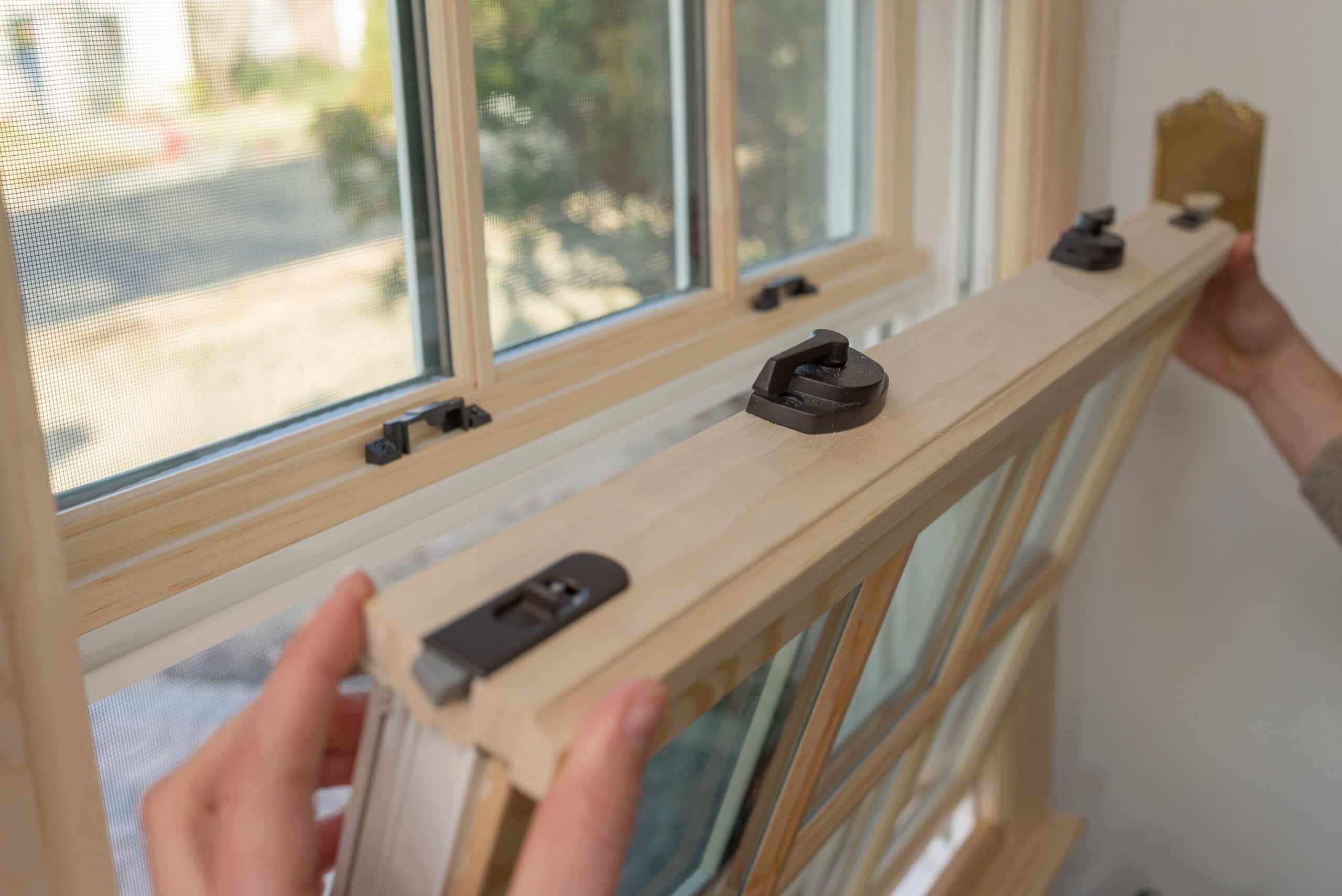
- Reinforced hinges — often with security pins that prevent the door from being lifted off even if hinge screws are exposed on the outside
Brands like Titan and Guardian Security Doors build specifically around these features, and the price reflects the engineering — this isn’t the same product line as a standard Home Depot steel entry door with security marketing language attached to it.
The Cost Breakdown
- Standard steel entry door: $800-$1,800 installed, insulated, weather-resistant, basic deadbolt
- Security storm/screen door (mesh security screen over existing entry door): $600-$1,200 installed
- Full security entry door (reinforced steel or iron, multi-point locking): $2,500-$5,500 installed
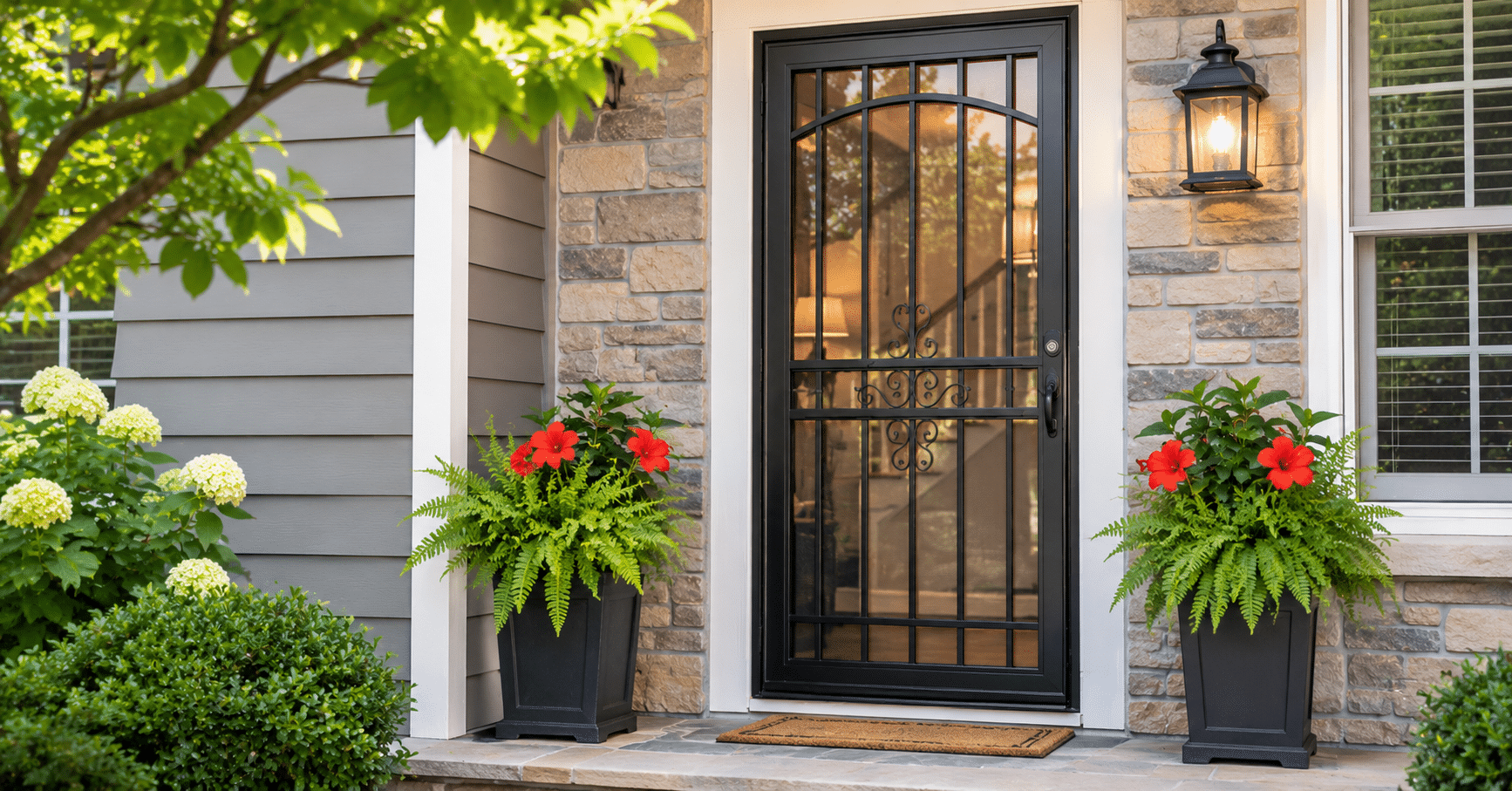
- Custom wrought iron security door: $4,000-$8,000+ installed, often with decorative scrollwork for homes where curb appeal matters as much as function
That range is wide because “security door” covers everything from an add-on mesh screen door to a fully reinforced primary entry system, and the protection level differs significantly between those options.
Security Screen Doors: The Middle-Ground Option
For homeowners who don’t want to replace their entry door entirely, a security screen door — a heavy steel mesh door installed in front of the existing entry door, similar in concept to a storm door but built for forced-entry resistance rather than weather — is worth considering. These typically use expanded steel mesh rather than standard screen material, strong enough to resist cutting or kicking through, while still allowing airflow and visibility.
This is a common retrofit in older NJ rowhomes in cities like Camden or Elizabeth, where replacing the original entry door isn’t practical or desired for historic or budget reasons, but the homeowner still wants a meaningful security upgrade at the entry point.
Where a Standard Door Is Genuinely Sufficient
- Homes in low-crime areas with good visibility from the street, where forced entry risk is already low
- Properties with an active alarm system and window/door sensors, where the door itself is one layer among several
- Secondary entries (side or back doors) that aren’t the primary access point and already have other deterrents like fencing or motion lighting
- Rental properties where the landlord’s liability concern is more about weatherproofing than break-in resistance
Not every door in a home needs to be security-rated, and spending on a full security door for a rarely-used side entrance often isn’t the best use of the budget compared to reinforcing the primary entry point instead.
Where a Security Door Is Worth the Investment
- Ground-floor entries in denser urban NJ areas — cities like Newark, Camden, or Paterson, where forced entry attempts are more common than in low-density suburban areas
- Homes with a history of attempted break-ins, even unsuccessful ones — a documented pry mark on a door frame is a strong signal the entry point needs reinforcement
- Vacation or secondary properties left unoccupied for extended periods, where a break-in might go unnoticed for days
- Any entry with a glass panel near the lock, since that’s a common break-in method (breaking glass to reach in and unlock the door) that impact-rated glazing specifically addresses
A shore home in a town like Seaside Heights that sits empty for months during the off-season is a reasonable candidate for a security door specifically because of that extended unoccupied window, where a standard door’s weaknesses have more time to be discovered and exploited.
A Detail Worth Checking: Fire Code and Egress Requirements
Some security door configurations — particularly wrought iron doors with fixed decorative elements — can create egress problems if the locking mechanism isn’t designed for quick interior release in an emergency. NJ fire code requires that any door serving as an emergency exit be operable from the inside without a key or special tool. Any legitimate security door installer should be building to that standard, but it’s worth confirming directly, especially on custom iron doors where the locking hardware may be more elaborate.
Making the Decision for Your Home
Work through these questions before deciding:
- What does your entry point’s actual vulnerability look like — frame, glass, hinges, or a combination?
- Is this your primary entry, a secondary door, or a vacation property with extended unoccupied periods?
- Does your neighborhood’s crime data or your own history suggest real forced-entry risk, or is this a general peace-of-mind upgrade?
- Would a full security door replacement make more sense than a security screen retrofit, given your existing door’s condition?
If you’re in a denser area, have a documented security concern, or own a property that sits empty for stretches, a full security door is a justified investment. If your main concern is general peace of mind on an otherwise low-risk property, a security screen door retrofit or simply upgrading your existing door’s strike plate and hinge screws may get you most of the benefit at a fraction of the cost.
Get a Security Assessment Before You Buy
A locksmith or security specialist can identify your entry point’s actual weak spots — frame strength, strike plate depth, hinge exposure — rather than assuming the door itself is the only variable that matters. Ask for a direct walkthrough of your entry points, get quotes on both full replacement and retrofit options, and confirm any security door’s fire code compliance for interior emergency release before signing a contract.