Upgrading exterior doors is one of the most noticeable ways to improve your home’s curb appeal—but can it actually save you money on energy bills? Many homeowners in New Jersey and beyond wonder if investing in a new door is worth it, or if it’s just a cosmetic change. The truth is that exterior doors play a surprisingly important role in your home’s energy efficiency, helping to reduce drafts, maintain temperature, and even improve insulation. Here’s what you need to know.
How Exterior Doors Affect Energy Efficiency
Your home loses a significant amount of energy through doors and windows. Even a small gap or poorly insulated door can allow cold air to enter in the winter or let heat escape in the summer. This forces your heating and cooling systems to work harder, increasing energy consumption and utility bills.
Replacing older doors with energy-efficient models can reduce these leaks. Modern doors are designed with insulation, tight seals, and weatherstripping to minimize air transfer. This can lead to noticeable energy savings, particularly in homes with aging or damaged doors.
Materials Matter
The type of door material greatly affects energy efficiency. Steel doors are strong, durable, and often come with foam insulation cores that prevent heat transfer. Fiberglass doors are resistant to warping, cracking, and moisture, while also providing excellent insulation. Wood doors offer beauty and charm but require proper sealing and maintenance to stay energy-efficient.
In New Jersey, where winters are cold and summers can be humid, insulated fiberglass or steel doors are often the best choice. They handle extreme temperatures well, resist moisture, and provide consistent energy savings year-round.
Weatherstripping and Proper Installation
Even the best door will lose efficiency if it isn’t installed correctly. Gaps between the door frame and the wall, or poorly applied weatherstripping, can create energy leaks. Professional installation ensures that doors are level, properly sealed, and functioning correctly.
Weatherstripping is a small but critical element that prevents air from escaping around the edges of the door. Over time, weatherstripping can wear out, so periodic replacement helps maintain energy efficiency and comfort.
Energy Ratings and Certifications
Look for doors with energy efficiency certifications, such as ENERGY STAR®. These doors meet strict standards for insulation, air leakage, and thermal performance. ENERGY STAR doors are tested for climate-specific conditions, making them particularly valuable in regions like New Jersey with hot summers and cold winters.
An ENERGY STAR-rated door typically features a high R-value, meaning it provides superior insulation and reduces heat transfer. This translates directly into lower heating and cooling costs. For homeowners who want to maximize savings, choosing certified doors is a smart investment.
Impact on Heating and Cooling Costs
Replacing old, inefficient doors can lead to measurable reductions in energy bills. Studies show that upgrading exterior doors can save homeowners anywhere from 5% to 15% on annual heating and cooling costs, depending on the age and condition of the previous doors.
In addition to financial savings, energy-efficient doors improve indoor comfort by maintaining consistent temperatures and eliminating cold drafts or hot spots. This can also reduce wear on HVAC systems, extending their lifespan and saving on repair costs.
Aesthetic and Long-Term Value
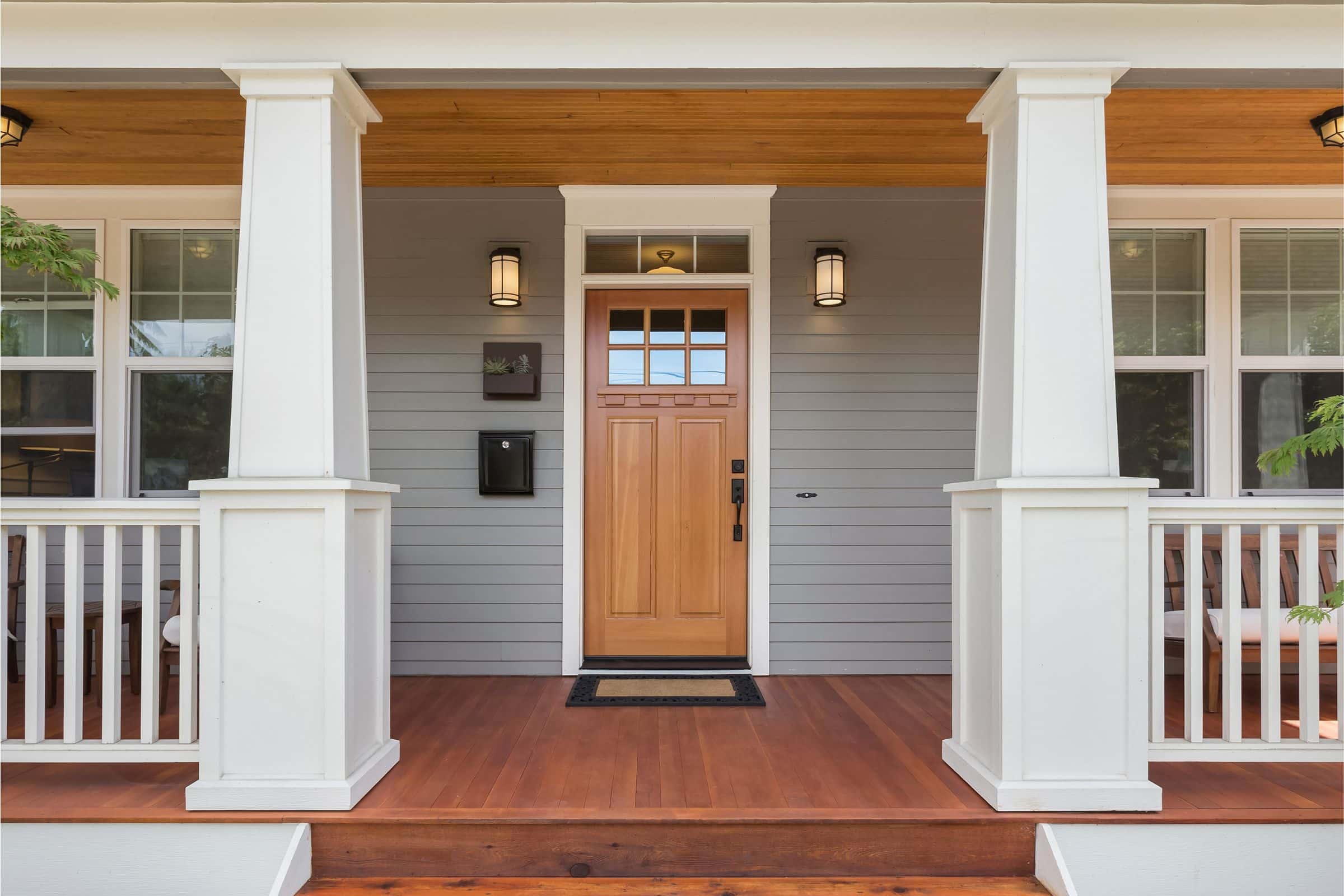
New exterior doors offer more than just energy savings—they improve curb appeal and property value. A stylish, well-built door can make your home more attractive to buyers and provide a sense of quality and security. For NJ homeowners, where older homes may have drafty or outdated doors, replacing them can modernize the look of your home while improving efficiency.
Choosing a durable, energy-efficient door also reduces maintenance over time. Steel and fiberglass doors resist warping, cracking, and moisture damage better than traditional wood, keeping your home looking great and performing efficiently for years.
Signs You Need a New Door
Not all exterior doors need replacement, but there are clear signs that your current door is costing you energy. Look for drafts around the edges, difficulty closing or locking, visible gaps, or water damage. If your door is more than 15–20 years old, it may not meet modern insulation standards.
Replacing your door at the right time ensures you start seeing energy savings immediately while also enhancing comfort and security. Upgrading before extreme winter or summer conditions maximizes efficiency benefits.
Other Tips for Maximizing Energy Savings
Along with new doors, consider complementary improvements such as storm doors, insulated thresholds, and upgraded locks to seal the home completely. Proper maintenance of doors and weatherstripping ensures optimal performance.
Additionally, pairing door upgrades with other efficiency improvements—like windows, attic insulation, or HVAC maintenance—can multiply savings and improve overall home comfort. Even small investments in sealing gaps or adding insulation can have a meaningful impact on energy bills.
Are New Doors Worth It?
Yes—new exterior doors can meaningfully lower energy bills while enhancing comfort, safety, and aesthetics. The right materials, proper installation, and energy-efficient certifications ensure that your investment pays off over time. For New Jersey homeowners facing hot summers and cold winters, upgrading doors is one of the most effective ways to improve efficiency and reduce HVAC strain.
Beyond energy savings, new doors boost curb appeal and long-term home value, making them a smart choice both for immediate benefits and future resale. If you’re considering home improvements this year, a high-quality, energy-efficient exterior door is an investment that pays dividends in comfort, savings, and style.