As fall comes to an end and winter approaches, New Jersey homeowners have an important opportunity to prepare their properties for colder temperatures, snow, ice, and freezing rain. Completing a few essential maintenance tasks before winter arrives can help prevent costly repairs, improve energy efficiency, and keep your family safe and comfortable throughout the season. From inspecting your roof to servicing your heating system, a proactive approach can make all the difference when harsh weather arrives. Use this pre-winter home checklist to ensure your home is ready for whatever a New Jersey winter has in store.
Inspect Your Roof
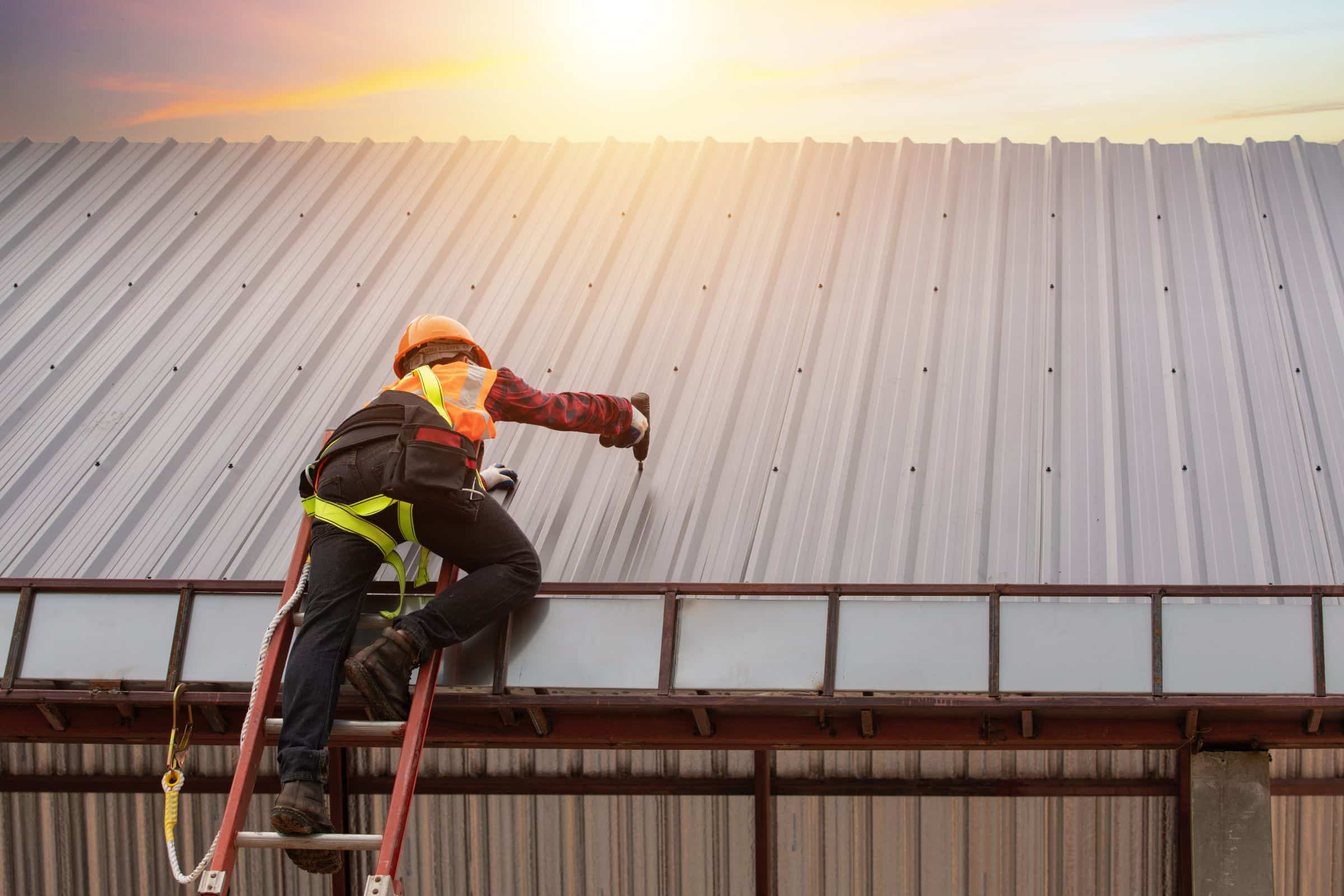
Your roof is your home’s first line of defense against winter weather. Before temperatures drop, inspect your roof for missing or damaged shingles, cracked flashing, loose vents, and signs of leaks. Even small roofing problems can worsen when snow and ice accumulate, leading to expensive water damage. Scheduling a professional roof inspection before winter allows any necessary repairs to be completed before severe weather arrives.
Clean Out Gutters and Downspouts
Leaves, twigs, and other debris often collect in gutters throughout the fall. Clogged gutters prevent water from draining properly, increasing the risk of ice dams, roof leaks, and foundation problems. Thoroughly clean your gutters and downspouts to ensure rainwater and melting snow can flow freely away from your home. Installing gutter guards can also reduce future maintenance while improving drainage year-round.
Check Windows and Doors for Drafts
Drafty windows and doors allow warm air to escape while letting cold outdoor air enter your home. Inspect weatherstripping, caulking, and window seals for gaps or signs of wear. Replacing damaged seals or installing new weatherstripping helps improve energy efficiency, reduce heating costs, and keep your home more comfortable throughout the winter months.
Service Your Heating System
Your furnace, boiler, or heat pump will likely work harder during winter than any other time of year. Schedule professional maintenance before cold weather arrives to ensure everything is operating safely and efficiently. Replace air filters, inspect vents, clean components, and test the thermostat. Preventive maintenance reduces the likelihood of unexpected breakdowns while helping your heating system perform at its best.
Test Smoke and Carbon Monoxide Detectors
Heating equipment, fireplaces, and space heaters increase the importance of functioning smoke and carbon monoxide detectors during winter. Test every detector in your home, replace batteries if needed, and verify that each unit is operating properly. These simple safety checks provide valuable protection for your family throughout the heating season.
Seal Air Leaks Around Your Home
Small cracks and openings around pipes, electrical outlets, vents, and foundation walls allow cold air to enter while increasing heating costs. Walk through your home and inspect both the interior and exterior for air leaks. Use caulk or expanding foam to seal openings wherever appropriate. Eliminating drafts helps maintain consistent indoor temperatures and reduces energy waste.
Inspect Your Attic Insulation
Adequate attic insulation plays a major role in keeping heat inside your home. Check insulation levels and look for signs of moisture, pests, or compressed insulation that may reduce effectiveness. Adding insulation where needed can improve energy efficiency, lower heating bills, and help prevent ice dams caused by heat escaping through the roof.
Protect Exterior Plumbing
Frozen pipes are one of the most common winter plumbing problems in New Jersey. Disconnect and drain garden hoses, shut off exterior water supplies if possible, and insulate exposed pipes in garages, crawl spaces, basements, and other unheated areas. Taking these preventive measures helps reduce the risk of burst pipes and costly water damage.
Inspect Siding and Exterior Surfaces
Walk around your home and inspect siding, trim, brickwork, and masonry for cracks, loose materials, or signs of deterioration. Repairing damaged exterior surfaces before winter helps prevent moisture intrusion and protects your home’s structural integrity. Addressing minor issues now can prevent more extensive repairs after months of exposure to snow and freezing temperatures.
Prepare Your Fireplace and Chimney
If you plan to use a wood-burning fireplace during the winter, schedule a professional chimney inspection and cleaning before lighting the first fire. Creosote buildup can create a serious fire hazard, while damaged chimney components may allow dangerous gases to enter your home. Make sure the damper operates properly and that your fireplace is safe for regular use.
Organize Winter Equipment
Before the first snowfall, gather all of your winter supplies in one convenient location. Check that snow shovels, ice scrapers, snow blowers, ice melt, and winter emergency kits are ready to use. Service snow removal equipment, purchase additional supplies if necessary, and make sure everything is easily accessible before severe weather arrives.
Trim Trees and Remove Dead Branches
Winter storms often bring heavy snow, ice, and strong winds that can cause weakened tree branches to break. Inspect trees around your property and remove dead or damaged limbs that could fall onto your home, vehicles, power lines, or walkways. Proper tree maintenance helps reduce the risk of storm-related property damage throughout the winter season.
Check Outdoor Lighting
With shorter daylight hours during winter, outdoor lighting becomes even more important for safety and security. Replace burned-out bulbs, clean light fixtures, and verify that motion sensors and timers are working correctly. Well-lit walkways, driveways, porches, and entryways help prevent slips and falls while improving visibility during dark evenings.
Review Emergency Preparedness
Winter weather can occasionally lead to power outages, hazardous road conditions, or extended periods indoors. Review your family’s emergency plan and make sure you have flashlights, batteries, bottled water, nonperishable food, blankets, medications, and backup charging devices available. Being prepared helps reduce stress if severe winter weather affects your area.
Schedule Preventive Maintenance Early
Many contractors become extremely busy once winter weather arrives. Scheduling inspections and maintenance during the fall allows homeowners to complete repairs before emergency situations develop. Roofing contractors, HVAC technicians, plumbers, electricians, and other home service professionals often have greater scheduling flexibility before peak winter demand begins.
Preparing your New Jersey home before winter arrives is one of the smartest investments you can make in protecting your property and ensuring your family’s comfort. Completing a thorough pre-winter checklist helps improve energy efficiency, reduce the risk of costly repairs, extend the life of your home’s major systems, and provide greater peace of mind throughout the colder months. By taking care of these important maintenance tasks now, you’ll be ready to enjoy a warm, safe, and worry-free winter season no matter what the forecast brings.