How Long Will a Split Rail Fence Last?
When you think about adding a fence to your property, a split rail fence often comes to mind. Its rustic charm and classic design make it a popular choice for homeowners looking to enhance their landscape while providing a boundary. But let’s face it, one of the burning questions you might have is: How long will a split rail fence last?
In this comprehensive guide, we’ll break down the factors influencing the lifespan of a split rail fence, the materials commonly used, and maintenance tips that can help extend its life. By the end of this article, you’ll have a clear understanding of what to expect from your investment in a split rail fence.
What is a Split Rail Fence?
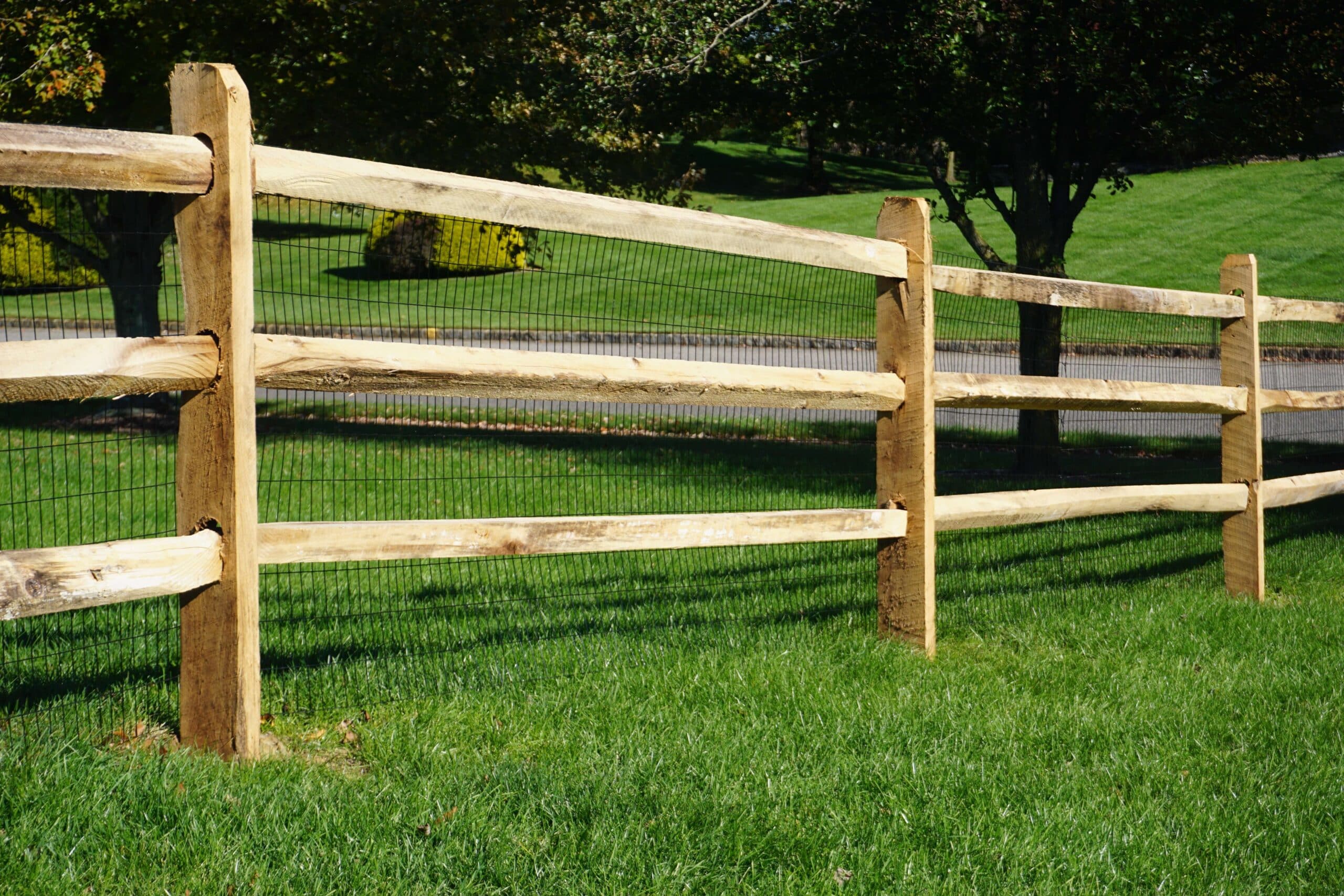
Before we get into the nitty-gritty, let’s clarify what a split rail fence actually is. Made primarily from wood, this type of fence consists of horizontal rails that are typically supported by vertical posts. The rails are “split” from logs, giving them a rough, natural appearance that blends beautifully into rural and suburban landscapes alike.
Common Materials Used in Split Rail Fences
- Wood: The most common material, wood split rail fences can be made from a variety of species, including:
- Spruce: A lightweight option that is easy to work with but may not have the longevity of other woods.
- Pine: Often treated for added durability, pine is another popular choice for its availability and cost-effectiveness.
- Cedar: Although more expensive, cedar is known for its natural resistance to rot and insects.
- Composite Materials: Some modern split rail fences are made from composite materials that mimic the look of wood while offering greater durability and minimal maintenance.
- Vinyl: Although not traditional, vinyl split rail fences are available. They are highly durable and require little to no maintenance, but they lack the rustic charm of wood.
How Long Can You Expect a Split Rail Fence to Last?
The lifespan of a split rail fence can vary significantly, generally ranging anywhere from 10 to 30 years. Several factors can impact this lifespan, including:
Material Choice
The type of wood used plays a crucial role in how long your fence will last. Here’s a breakdown of how different materials stack up:
- Spruce: Typically lasts 10-15 years. While it’s affordable and easy to work with, it’s also prone to rot and insect damage.
- Pine: When treated, pine can last up to 20 years. Untreated pine, however, may only last about 7 to 10 years due to its vulnerability to decay.
- Cedar: Known for its natural oils that resist decay, a cedar split rail fence can last 15-30 years, making it one of the best choices if you’re looking for longevity.
- Composite Materials: Depending on the quality, these can last 20 years or more with little maintenance.
Climate and Weather Conditions
Your local climate can also affect the lifespan of your split rail fence. Here are a few weather-related factors to consider:
- Rain and Humidity: Areas with high moisture levels can accelerate wood rot. If you live in a particularly wet climate, you may need to treat your wood more often.
- Sun Exposure: Intense sunlight can cause wood to fade and crack over time. For those in sunny areas, a UV-resistant finish can help protect your fence.
- Snow and Ice: In regions with heavy snowfall, the weight of the snow can stress the fence, particularly if it’s not properly installed.
Installation Quality
A well-installed fence will always last longer than one that has been poorly erected. Here are some installation tips to ensure longevity:
- Proper Depth: Posts should be buried at least one-third of their height in the ground to provide stability.
- Concrete Footing: Securing posts in concrete can help protect against leaning or shifting.
- Spacing: Proper spacing between posts and rails allows for natural movement and can prevent damage.
Maintenance Practices
Regular maintenance can significantly extend the lifespan of your split rail fence. Here’s what you can do:
- Regular Inspections: Check for signs of rot, insect damage, or loose rails. Early detection can save you a lot of trouble down the line.
- Treatments: Depending on the wood type, applying a sealant or stain every few years can help protect against moisture and UV rays.
- Cleaning: Remove dirt and debris. A simple wash can keep the wood looking good and free from mold or mildew.
- Repairs: Address any damaged parts promptly. Replacing a single rail or post is far less expensive than replacing the entire fence.
Comparing Split Rail Fences with Other Types of Fencing
While split rail fences are charming and functional, you may wonder how they stack up against other fencing options:
- Lifespan: 15-20 years
- Pros: Low maintenance, durable, and cost-effective.
- Cons: Not as aesthetically pleasing; provides little privacy.
Privacy Fencing (Wood or Vinyl)
- Lifespan: 20-30 years (wood), 30+ years (vinyl)
- Pros: Offers privacy and security.
- Cons: Can be more expensive and require more maintenance.
- Lifespan: 30-50 years
- Pros: Extremely durable and offers a classic aesthetic.
- Cons: Higher cost and can require regular painting to prevent rust.
Investing in a Split Rail Fence
So, how long will a split rail fence last? It really depends on the materials used, the climate in your area, the quality of installation, and how well you maintain it. By choosing the right wood, being aware of your local weather conditions, and committing to regular upkeep, you can enjoy a beautiful split rail fence for many years to come.
If you’re ready to enhance your property with a sturdy and charming split rail fence, consider reaching out to professionals like Carl’s Fencing, Decking and Home Improvements in New Jersey. We can guide you through the process, helping you choose the right materials and ensure proper installation. Contact us today or get a Free Estimate to get started!
Related Posts
Can You Install a Fence in Winter in NJ? What Homeowners Should Know
Yes, you can often install a fence in winter in New Jersey. A lot of…
Is Rock Salt Ruining Your Stuff? De-icers vs. Decks, Steps, Railings, and Walkways
Winter in New Jersey means snow, ice, and the need for safe walkways. Many homeowners…
LED vs. Incandescent: What’s Best for Your Home?
When it comes to lighting your home—inside and out—the type of bulb you choose matters…