Pools are a slice of paradise, aren’t they? On a hot summer afternoon, few things beat a dip in sparkling water. But here’s the thing: pools come with real responsibility. Safety isn’t just a buzzword, it’s a must! That’s where pool code fencing steps in. If you own a pool in New Jersey (or anywhere, really), understanding the rules and best practices around pool fencing could be what keeps a fun day from turning into a tragedy.
Why Pool Code Fencing Isn’t Just a Formality
When you think about fences, maybe you picture privacy or keeping pets in. But with pools and fences, the goal is much bigger, it’s about protecting lives. According to the U.S. Consumer Product Safety Commission (CPSC), nearly 300 children under five drown in swimming pools every year! Most of these accidents happen in backyard pools, right where you’d expect safety to be top priority.
So, what makes a pool safety fence so crucial? For starters, it acts as a barrier between curious kids (and sometimes even adults or pets) and a potentially dangerous situation. It’s not just about following local rules or ticking boxes; it’s about peace of mind. When you see that fence, you know there’s a layer of protection in place.
What Exactly Is Pool Code Fencing?
You might be wondering, what’s the difference between a regular fence and a pool code fence? Good question. Pool code fencing is any type of barrier built specifically to meet legal safety standards for pools. These standards are set by local municipalities, state regulations, and sometimes even by your homeowners’ association.
Key Features of a Pool Code Fence
Here are some elements that set pool code fencing apart from your average backyard fence:
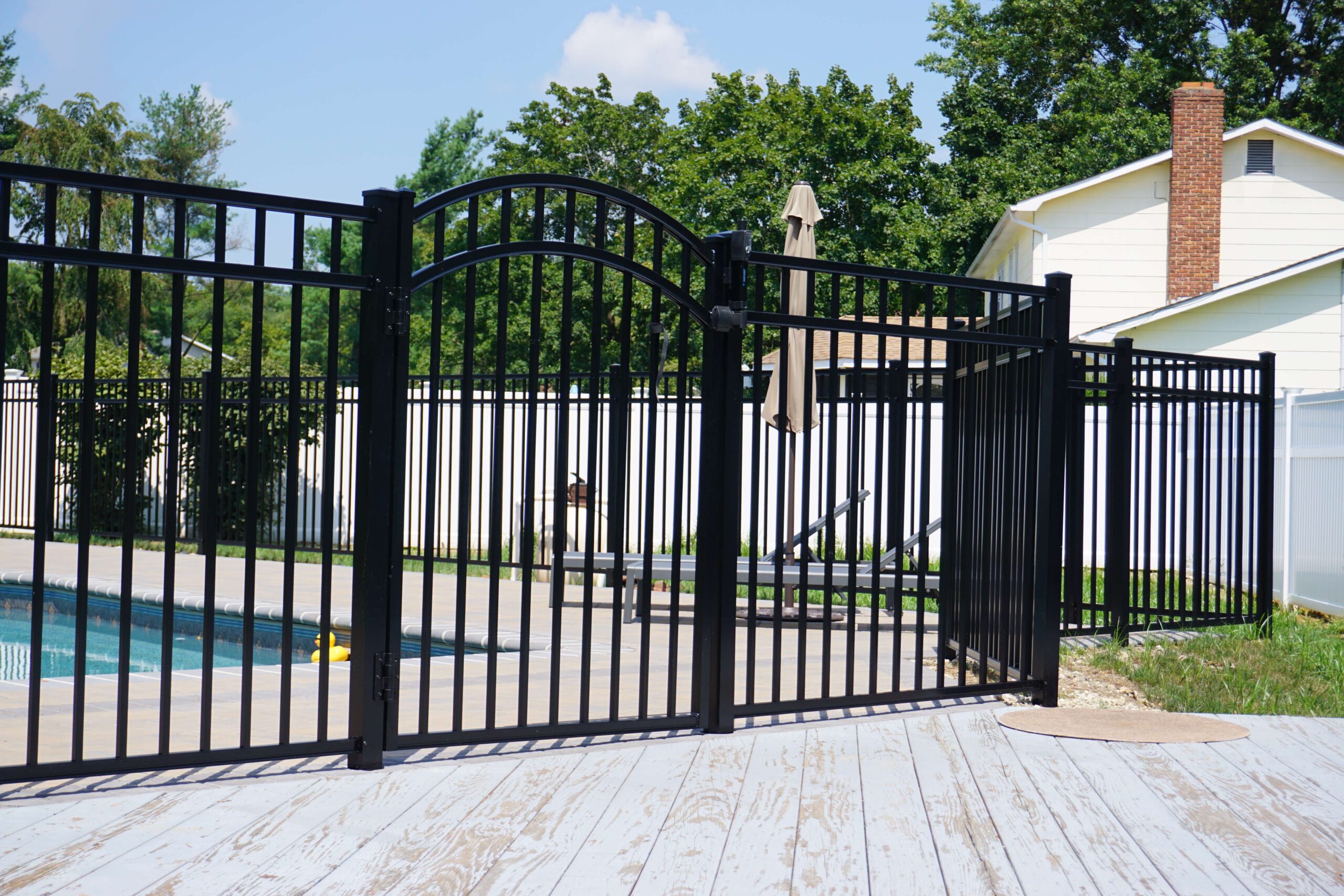
- Minimum Height: Most codes, including the New Jersey Pool Code, require a fence at least 48 inches high.
- No Gaps: Openings or gaps in or under the fence must be small enough to prevent a child from slipping through. In New Jersey the space under the fence can’t exceed 4 inches.
- No Climb Zones: The fence should be free of features like horizontal rails on the outside that help a child climb over. If horizontal rails are spaced less than 45 inches apart, they must be on the pool side of the fence.
- Self-Closing and Self-Latching Gates: Gates must close and latch automatically. The latch should be out of reach of small children, usually at least 54 inches from the ground.
- Durable Materials: The fence should withstand weather and wear—think aluminum, vinyl, steel, or sturdy wood.
It’s not just about putting up a barrier; it’s about building one that works.
The New Jersey Pool Code: What You Need to Know
If you call New Jersey home, you’ve probably heard about the New Jersey Pool Code—or at least, you should have. These are the rules that spell out what your pool fence needs to look like if you want to stay compliant (and, more importantly, keep everyone safe).
Highlights from the New Jersey Pool Code
Here’s a quick rundown of the main points from the New Jersey pool fencing requirements:
- Fence Height: The minimum height is 48 inches.
- Gate Requirements: Gates must be self-closing and self-latching, with the latch on the pool side and out of reach of small children.
- Barrier Openings: No opening in the barrier should allow a 4-inch diameter sphere to pass through.
- Placement: The fence should completely surround the pool and separate it from the house.
If your pool was built before certain dates, you might have slightly different rules, but most new pools must follow these standards. The state bases its requirements on the International Swimming Pool and Spa Code (ISPSC), so you can be sure the focus is always on safety.
For a deeper look, you can check out the official code here: New Jersey Department of Community Affairs.
Types of Pool Fencing and What Works Best
Here’s where things get interesting. Not all fences are created equal, and different materials and styles offer different benefits. Let’s break down your options.
1. Aluminum Pool Fencing
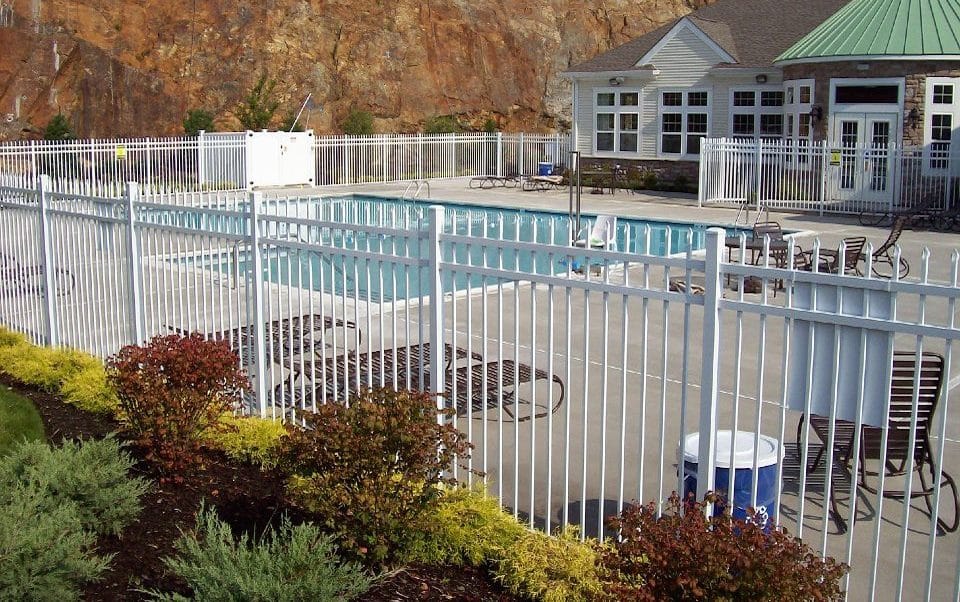
Lightweight but durable, aluminum is a favorite for many. It won’t rust, it looks sleek, and it’s easy to maintain. Plus, it meets most pool code requirements with the right design.
2. Vinyl Pool Fencing
Vinyl is another popular choice, especially if you want something that’s low-maintenance and comes in a variety of styles. It stands up to New Jersey’s weather swings and can be built to meet code standards.
3. Mesh Pool Fencing
Removable mesh pool fences are great if you need flexibility. They’re strong, see-through, and can be taken down when the pool isn’t in use (though you must reinstall it whenever the pool is accessible).
4. Wood Pool Fencing
Classic and charming, wood fences can be code-compliant but need more upkeep. You’ll need to watch for splinters, rot, or warping—especially in the humid New Jersey summers.
5. Glass Pool Fencing
For a touch of luxury, glass fences offer a clear view while still keeping the pool secure. They’re sturdy and stylish but can be on the pricier side.
Each option has its pros and cons, but the key? Make sure whatever you choose meets the New Jersey Pool Code and is installed by pros who know what they’re doing.
Pool Fencing Installation: DIY or Call a Pro?
You might be handy with a drill, but pool fencing isn’t the place for shortcuts. The codes are strict, and the stakes are high. A fence installed even an inch too short, or with a gate that doesn’t latch properly, could land you in trouble—or worse, put someone at risk.
Many homeowners in New Jersey turn to experts like Carl’s Fencing, Decking and Home Improvements for peace of mind. Why? Because professional installers know the latest codes, have the right tools, and can spot potential issues before they become real problems.
And let’s be real: time spent figuring out code requirements or fixing mistakes is time you could spend actually enjoying your pool.
Here’s the bottom line: a pool is a source of joy, but it comes with real responsibility. Pool code fencing isn’t about red tape or bureaucracy—it’s about keeping your loved ones, neighbors, and even pets safe.
In New Jersey, following the pool code is the law, but it’s also just plain smart. A proper pool safety fence protects your family, enhances your property, and lets you enjoy your backyard with confidence.
Frequently Asked Questions
- What is the minimum height for a pool fence in New Jersey?
The New Jersey Pool Code requires a minimum height of 48 inches for pool fences. This helps ensure the barrier is high enough to prevent young children from climbing over.
- Do I need a self-closing gate on my pool fence?
Yes. Gates must be self-closing and self-latching, with the latch positioned out of reach of small children (at least 54 inches from the ground on the pool side).
- Can I install a pool fence myself, or do I need a professional?
While DIY is possible, hiring a professional ensures the fence meets all code requirements and is installed correctly. Experts like Carl’s Fencing, Decking and Home Improvements are trained to spot potential issues and guarantee compliance.
Ready for a safer, more beautiful backyard?
Contact Carl’s Fencing, Decking and Home Improvements for a free pool fencing estimate and expert advice on meeting New Jersey Pool Code. Your peace of mind is just a fence away.