Choosing the right deck railing material shapes how your outdoor space looks, feels, and performs. Two of the most popular low maintenance options are vinyl deck railing and aluminum deck railing. Both move away from traditional wood railing by offering long lifespans, easy upkeep, and clean modern aesthetics. Read on to compare vinyl and aluminum so you can pick the railing that fits your home, your budget, and your maintenance style.
Why vinyl and aluminum are top picks
Vinyl railing and aluminum railing are both popular because they reduce the time and money homeowners spend on repairs and repainting. Vinyl deck railings resist rot and insect damage while aluminum railings resist rust and provide strong support with thin profiles. Both systems are available in different styles, from classic white vinyl railing to sleek powder coated aluminum railings, so you do not have to sacrifice design for durability.
Vinyl railing, the low effort classic
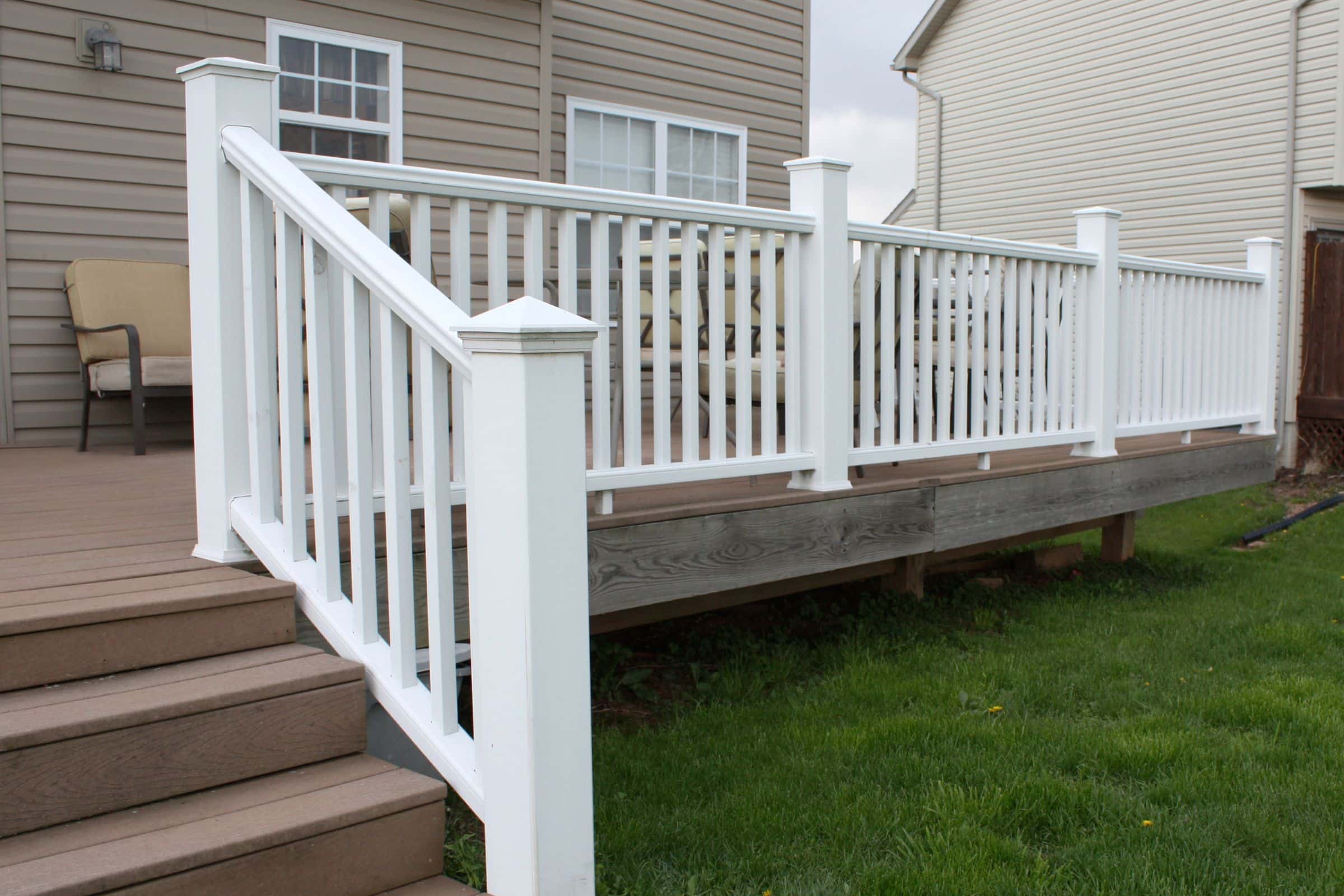
Vinyl railing is an attractive option for homeowners who want a maintenance free solution that still looks traditional. Many vinyl railing systems come in a range of baluster styles and top rail shapes, so you can match a white vinyl railing look or choose a darker color depending on the product line. Vinyl is lightweight which makes it easier to install and can lower installation costs compared with some metal systems.
One of vinyl railing’s big strengths is longevity. With proper installation and normal exposure, many vinyl deck railings can last for decades. Cleaning is simple, usually just soap and water, and most manufacturers back their products with long limited warranties. Over a very long time some products can dull, and vinyl may show surface scratches more easily than metal, but regular cleaning and proper care keeps the system looking fresh.
Vinyl railing does have limitations. Color choices and finish textures are more limited compared with aluminum. Because vinyl sections are thicker, the overall profile can look bulkier than a slender aluminum railing. If you want ultra slim sightlines or a modern industrial look, aluminum might suit your taste better. For homeowners who prefer the classic porch look, vinyl porch railing and vinyl deck railings remain a go to.
Aluminum railing, strength with slim profiles
Aluminum railing for decks offers a modern, durable option that visually opens the deck because of its thin members and minimal sightlines. Aluminum railings are typically powder coated which protects the finish and offers a wider palette of colors and textures compared with vinyl. Because aluminum is metal, it resists warping and will not crack from freeze and thaw cycles the way some plastics can.
Aluminum railing is low maintenance, requiring periodic cleaning with soap and water, and occasional inspection of fasteners. It is highly resistant to corrosion when properly finished, so it makes sense for coastal locations and humid climates where rust could be a concern with other metals. Aluminum railing for decks is often chosen for modern decks, rooftop terraces, and commercial settings where clean lines and durability matter.
Vinyl vs aluminum, quick comparison
Here is a side by side look at key factors to help you decide.
- Durability:
- Vinyl resists rot and insects
- Aluminum resists corrosion and provides higher strength for long spans.
- Maintenance:
- Both need simple soap and water cleaning
- Vinyl may benefit from occasional mildew treatments in shady damp areas.
- Appearance:
- Vinyl has a softer, chunkier profile and fewer color options
- Aluminum allows slimmer profiles and more finish choices.
- Cost:
- Vinyl railing systems often have lower material cost
- Aluminum can be pricier up front but offers longevity and different design options.
Cost considerations and long term value
A common question is which material is cheaper. Vinyl railing materials are usually less expensive to buy and install, especially for standard white vinyl railing kits. Aluminum railing typically costs more initially, but it can offer better value over time because of longer service life and fewer repair needs. When you compare total cost of ownership, include installation, any necessary footings or reinforcement, and long term maintenance. Carl’s can provide side by side estimates so you see real installed pricing for your project.
Aesthetics and customization
If you want a traditional porch look, vinyl railing gives that classic charm without the painting and sanding. For a contemporary palette, aluminum railings come in many powder coated finishes and allow more customization for glass panels or cable infill. Both materials can integrate with post caps, lighting, and handrail profiles so you can create a cohesive look that ties into decking, pergolas, and other yard features.
Where each material shines
Choose vinyl railing when you want the lowest maintenance profile and a classic appearance on a residential porch, balcony, or deck. Choose aluminum railing when you want slim sightlines, more color and finish options, or a system that performs well in harsh weather and commercial applications. For coastal homes, aluminum is often preferred because high quality powder coats protect against salt air.
FAQs
Is vinyl deck railing as strong as aluminum deck railing?
Vinyl deck railing is strong enough for typical residential use, and the systems are engineered to meet building codes when properly installed. Aluminum deck railing generally offers higher tensile strength, which makes it better for longer runs and applications where you want slimmer balusters. Strength differences matter most when spanning long distances without intermediate posts or for heavy duty rail systems. For typical backyard decks, both systems are more than adequate when installed by professionals.
Will a white vinyl railing yellow over time?
High quality white vinyl railing is formulated to resist UV and stay bright, but over many years some vinyl products can show slight discoloration or surface dulling in very sunny environments. Regular cleaning with mild soap and water helps maintain brightness, and choosing a reputable manufacturer with a good warranty reduces risk. If long term color stability is critical, consider a colored or textured vinyl or choose aluminum with a durable powder coat finish.
Which railing is better for coastal homes?
Aluminum railings are often the preferred choice for coastal homes because powder coated finishes resist corrosion from salt air better than some alternatives. Vinyl can perform well near the coast if it is UV stable and properly installed, but aluminum provides extra peace of mind in extreme salt exposure. Ask Carl’s about specific product lines recommended for coastal conditions.
How do maintenance needs compare?
Both vinyl and aluminum railings are low maintenance and usually only need occasional washing with soap and water. Vinyl may require mildew treatment in damp shaded areas, and aluminum benefits from checking fasteners and touch up of paint chips as needed. Neither material requires the routine sanding and repainting that wood railing needs, which is the biggest maintenance savings for homeowners.
Ready to choose your railing material
Carl’s Fencing, Decking and Home Improvements supplies and installs vinyl railing and aluminum railing systems tailored to your home and budget. We can show you white vinyl railing and alternative colors, or aluminum railings with glass or cable options for a modern look. Contact Carl’s for a free estimate, and let our team help you match the right material to your design goals.