Choosing the right decking material is one of the most important decisions for homeowners in New Jersey. Our winters can be harsh, with snow, ice, and freezing temperatures that take a toll on outdoor spaces. Between natural wood and composite decking, it’s important to weigh durability, maintenance, aesthetics, and cost. Understanding how each material performs in New Jersey’s climate will help you invest in a deck that lasts for years and provides a safe, attractive outdoor space.
Natural Beauty of Wood
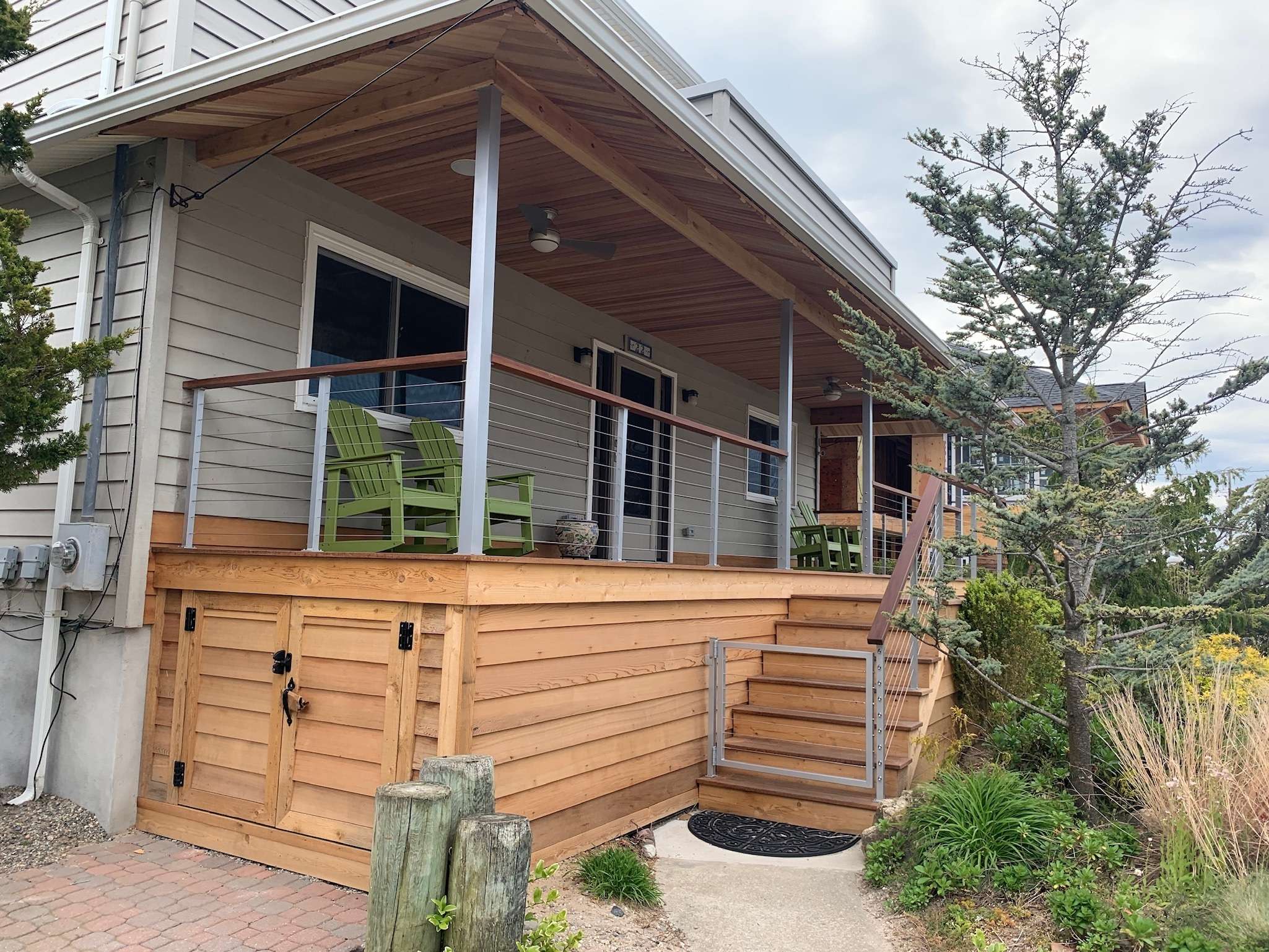
Wood decking, like pressure-treated pine, cedar, or redwood, offers timeless charm and natural warmth. Each plank has unique grains and color variations that give your deck a one-of-a-kind look. For homeowners who value classic aesthetics, nothing quite matches the feel of real wood underfoot. However, natural wood is highly susceptible to moisture and temperature changes, which can make it more vulnerable to warping, splitting, and rotting during harsh winters.
Many people choose wood for its traditional appeal and the ability to stain or paint it to match their home’s exterior. Cedar and redwood resist decay better than pine, but even these species require regular maintenance to survive New Jersey winters. Without proper sealing and treatment, water and snow can seep into the wood, causing boards to swell, crack, or develop mold.
Low Maintenance Advantages of Composite Decking
Composite decking is made from a combination of wood fibers and recycled plastics, engineered to resist moisture, fading, and cracking. Unlike wood, it doesn’t require yearly staining or sealing, making it ideal for homeowners who prefer minimal upkeep. Composite boards also hold up well against snow, ice, and fluctuating temperatures, which are common in New Jersey.
Many composite decks feature textured surfaces that provide better traction during icy or wet conditions. This can make winter snow removal easier and safer. Modern composite decking comes in a wide variety of colors, grains, and finishes that closely mimic natural wood, so you don’t have to sacrifice aesthetics for durability.
Durability in Freezing Temperatures
New Jersey winters are notorious for freezing temperatures, ice storms, and heavy snow. Wood decks naturally expand and contract with temperature changes, which can lead to cracks and splinters over time. If water penetrates the wood and freezes, it can worsen damage, requiring board replacement or extensive repairs. Even the most carefully maintained wood decks can suffer from frost heaving and rot in exposed areas.
Composite decks handle temperature fluctuations much better. Most modern composite materials are designed to tolerate freezing and thawing without warping or cracking. While older composite products sometimes became brittle in extreme cold, newer blends of plastic and wood fibers are resilient even in subzero temperatures. For homeowners who want a worry-free deck through NJ winters, composite often outperforms traditional wood.
Snow, Ice, and Winter Safety
Shoveling snow off your deck is part of New Jersey winter life, and the type of material affects how easy it is. Wood can be scratched or dented by metal shovels, and untreated boards may become dangerously slippery when wet or icy. Composite decks, especially those with a textured finish, resist scratches and often provide better traction. Some brands also have water-repellent coatings that reduce ice buildup.
Safety is a key consideration, particularly for families with children or pets. A deck that resists ice, stays structurally sound under snow, and requires less intensive maintenance can make winter life easier and safer. Composite decking often provides a more reliable surface for everyday use during the harshest months.
Long-Term Costs
Wood decks typically cost less upfront than composite decks, which can make them tempting for homeowners on a budget. However, maintenance costs for wood can quickly add up. Annual sealing, staining, and occasional board replacement are required to keep the deck safe and attractive. In New Jersey’s climate, these costs are even higher because moisture and freezing temperatures accelerate wear and tear.
Composite decking comes with a higher initial price, but it requires minimal upkeep and can last 25–30 years or more. You don’t need to seal or stain it, and repairs are rarely necessary. Over the long term, the lower maintenance and durability often make composite more cost-effective for New Jersey homeowners.
Environmental Considerations
For environmentally conscious homeowners, composite decking has additional appeal. It is often made from recycled wood and plastic, reducing waste and demand for new lumber. Wood decks, while natural, contribute to deforestation unless sourced sustainably. Properly maintained composite decks can last decades, reducing the need for frequent replacement and minimizing environmental impact over time.
Aesthetic Choices
Aesthetics play a big role in deciding between wood and composite. Wood offers a classic, natural look that’s difficult to replicate, and it can be stained to highlight its grain or match the home’s exterior. Composite, however, offers a wide range of colors and finishes, including options that mimic exotic hardwoods. Some composite boards even have embossed textures for a more realistic wood feel.
Homeowners who want the low maintenance of composite no longer have to compromise on appearance. Many NJ residents choose composite because it balances durability, safety, and beauty, giving their deck a long-lasting polished look year-round.
Weather Resistance and Longevity
New Jersey experiences everything from hot, humid summers to freezing, snowy winters. Wood can deteriorate under these extremes if not properly treated. Composite decks resist moisture, UV fading, and insect damage better than natural wood. They are less likely to warp, split, or decay, and they retain their appearance longer with minimal upkeep.
For homeowners planning to enjoy their deck year-round, longevity is critical. Composite decking can withstand seasonal extremes without major intervention, while wood requires constant vigilance and care. This makes composite a reliable choice for anyone who wants a deck that stands up to New Jersey’s full range of weather conditions.
Making the Right Choice for Your NJ Home
Ultimately, your decision comes down to priorities. If you love the look of natural wood and don’t mind regular maintenance, wood can be beautiful and cost-effective upfront. However, if you prioritize low maintenance, durability, winter resilience, and long-term savings, composite decking is often the smarter choice in New Jersey. For many homeowners, the benefits of composite outweigh the higher initial cost.
Choosing the right material ensures your deck lasts for decades while remaining safe and attractive throughout NJ winters. By considering factors like climate, maintenance, aesthetics, and cost, you can confidently select a decking material that fits your lifestyle and enhances your home’s value.
Enjoy Your Deck for Years to Come
Whether you choose wood or composite, building a deck in New Jersey is a smart investment in your home and lifestyle. A well-designed deck provides space for entertaining, relaxation, and enjoying the outdoors year-round. Wood offers natural charm and traditional appeal, while composite provides durability, low maintenance, and long-term reliability. By weighing the pros and cons, NJ homeowners can make the best choice for their backyard, ensuring their deck stands strong through snowy winters, hot summers, and everything in between.