Start with how you will use the space
Before you choose between a pergola, gazebo, arbor, or cabana, think about the job the structure needs to do. If you want flexible shade and an outdoor living area that still feels connected to the yard, a pergola is ideal. If you need full rain cover all the time, a gazebo creates a sheltered destination. If you want a small garden focal point, an arbor frames a path and supports vines. If you want a private poolside nook, a cabana adds privacy and storage.
Why most homeowners choose a pergola
A pergola uses posts or columns to support an open grid of beams and rafters. That open grid delivers dappled light and airflow, and you can add a canopy, shade fabric, or a retractable cover when you want more protection. Pergolas can be freestanding in the yard or attached to your home, which makes them perfect over a deck or patio. They create a defined room outside without blocking views, and they play nicely with string lights, fans, curtains, and climbing plants. The net result feels like an outdoor living room that stays bright, breezy, and social.
Popular pergola materials at Carl’s
- Wood pergola for a warm, classic look with natural character
- Vinyl pergola for low maintenance and clean lines
- Aluminum pergola for modern style and excellent durability
- Fiberglass pergola for strong spans and crisp detailing
If you like fast timelines and predictable budgets, pergola kits are a smart option. If you want a statement build that follows a tricky footprint, a custom pergola is the way to go.
Gazebo, what it is and when it makes sense
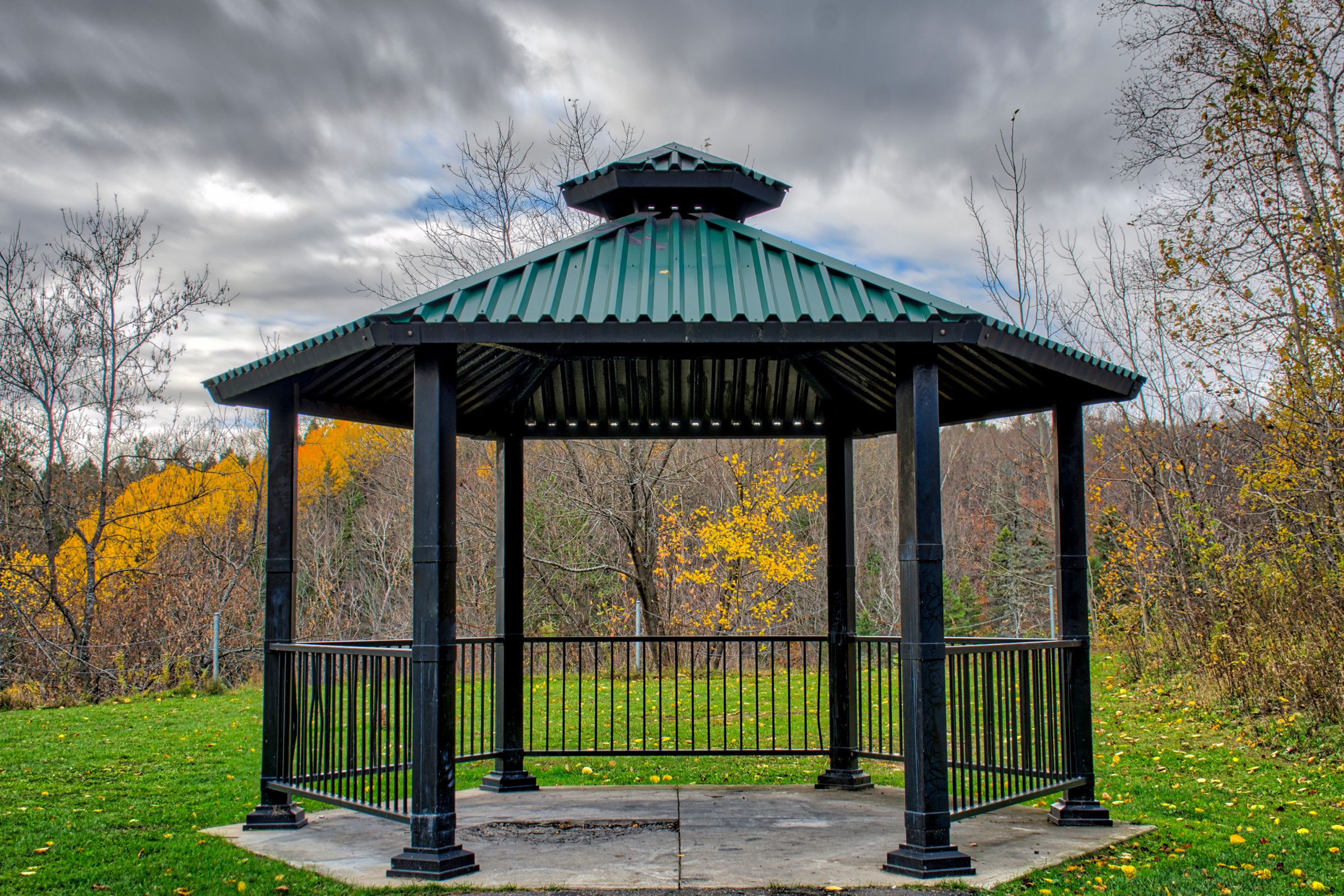
A gazebo is a freestanding structure with a solid roof and open sides. It offers reliable shade and better rain protection than a pergola, which some homeowners want for a hot tub or a fully covered dining area. The tradeoff is less sky and less airflow, and the look is more enclosed. For most day to day lounging and entertaining, a pergola delivers a lighter, more adaptable feel at a friendlier price range.
Arbor, small structure with big visual impact
An arbor is a compact frame that marks an entry or path and supports vines on lattice sides. It creates a garden moment that feels like a doorway, and it boosts curb appeal quickly. Arbors are not meant for seating or large shade. If your goal is a place to sit, dine, and hang out, a pergola is the better fit.
Cabana, private lounge near the pool
A cabana is a semi enclosed space with three walls or curtains and a roof. It gives privacy for changing, relaxing, and storing towels and pool gear. It is perfect for a resort feeling at the water’s edge. If you want one outdoor structure that upgrades your main patio for everyday use, a pergola usually gives you more value and more year round versatility.
Materials and maintenance, quick notes
- Wood looks warm and natural. It needs seasonal cleaning and fresh sealer or stain every few years.
- Vinyl stays bright with simple soap and water. It never needs paint.
- Aluminum is sleek and durable with minimal care.
- Fiberglass handles long spans with crisp profiles and very little upkeep.
Commercial pergolas, outdoor spaces for business and public use
Commercial pergolas are designed for restaurants, hotels, retail spaces, employers, and public areas where durability, repeatable performance, and code compliance matter. These pergolas often use heavier gauge aluminum, reinforced connections, and engineered footings so they last through heavy use and seasonal weather. Brands and installers may offer options for integrated lighting, heaters, retractable roofs, and screens so the space can operate comfortably for longer parts of the year. If you plan to use a covered outdoor area for dining, events, or regular customer seating, a commercial pergola gives you the pergola look with the structural reliability a business needs.
Why businesses pick commercial pergolas, in plain language
They make outdoor seating attractive and functional, they increase usable square footage for service and events, and they can be specified to meet local codes for wind, snow, and egress. Commercial builds can include quick connect electrical, concealed drains for water management, and reinforced mounting for signage and awnings. The design is flexible so you can match a brand aesthetic, and the materials choices mean maintenance schedules are predictable which helps operating budgets.
Integration and permitting for commercial pergolas
Commercial pergolas often require engineering sign off and building permits, especially when they are attached to a building or exceed a threshold size. A qualified installer will handle the permit process, submit engineered drawings when necessary, and make sure the finished installation passes inspection. For ADA accessibility and fire egress you may need to maintain clear paths and door widths, and your installer should help you design around those requirements.
FAQs
Is a pergola cheaper than a gazebo?
Usually, yes. A pergola uses a simple post and beam frame with an open roof, so there is less material and less labor than a gazebo with a solid pitched roof. Size, custom details, and upgrades like retractable canopies can close the price gap. Materials matter as well, since wood often starts lower while aluminum or composite costs more upfront but reduces maintenance. For a fair comparison, look at the full setup including footings, electrical, and accessories, not just the base kit.
Do hardtop gazebos hold up in winter?
Quality hardtop gazebos are designed for four season use when they are properly rated and installed. Check for a snow load rating that matches your climate, strong aluminum or steel framing, and secure anchoring to concrete or reinforced decking. A pitched roof sheds snow and water better than a flat design. Plan to clear heavy accumulation with a soft roof rake, and tighten fasteners and refresh seals once a year. Follow the manufacturer maintenance guidelines to keep the warranty valid.
Are wood pergolas high maintenance?
Wood does require periodic care, but it is straightforward. Clean it each season and refresh sealer or stain every few years, depending on sun exposure and local weather. Cedar and redwood age beautifully with the right finish, and pressure treated pine benefits from paint or stain after it has fully dried. Inspect hardware and the bases of posts once a year to catch small issues early. If you want the wood look with less upkeep, consider aluminum or composite for the structure and add wood accents for warmth.
Arbor vs pergola, how do I decide?
Choose an arbor when you want a compact focal point that frames a path or gate and supports climbing plants. An arbor delivers visual impact and a sense of arrival, but it is not meant for seating or broad shade. Choose a pergola when you need a defined outdoor room for dining or lounging and you want adjustable shade with canopies, slats, or vines. Pergolas scale well to larger footprints and can attach to the house or stand alone. If space, seating, and shade are priorities, choose a pergola, and if a welcoming garden entry is the goal, choose an arbor.
Ready to build your pergola
Carl’s Fencing, Decking and Home Improvements designs and installs wood, vinyl, aluminum, and fiberglass pergolas that fit your space, your style, and your budget. We help you pick the right material and shade options, then we handle permits and professional installation. Submit a free estimate to get started and let’s turn your backyard into your favorite room!